 Mattresses
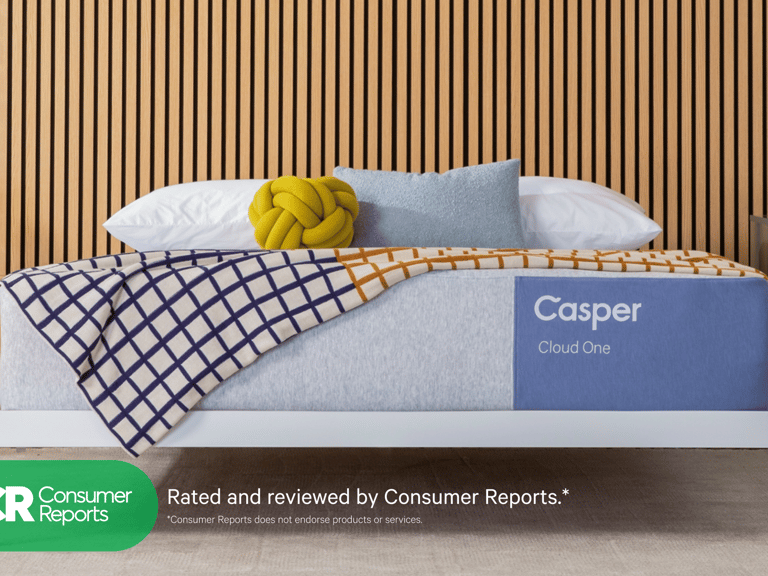
Cloud One
Experience plush, responsive support all night with breathable, durable comfort that stays cool and cradles you—night after night, for true long-term sleep quality.
Foam mattresses are engineered to provide targeted support and pressure relief by conforming to body contours while maintaining structural integrity. These mattresses often utilize memory foam or transition foams to balance comfort and support across the spine, hips, and shoulders. Understanding density, resilience, and temperature regulation helps consumers select a variant suitable for mixed sleeping positions and firmness preferences.
In the realm of foam technology, viscoelastic memory foam responds to heat and weight, creating a personalized cradle that can reduce motion transfer between partners. Open-cell structures improve breathability and cooling, while high-density foams offer durability and long-term shape retention. These characteristics influence overall sleep quality and wakeful comfort throughout the night.
Key features to evaluate include firmness level, layer composition, and secondary foams used for transition zones. A well-designed foam mattress may incorporate a comfort layer that relieves pressure while a supportive base maintains spinal alignment. Mattress construction also affects edge support, durability, and ease of maintenance over time.
Cloud One represents a specific foam mattress option noted for its balanced feel and versatile performance. It typically combines a responsive top layer with a supportive core to accommodate varied sleeping positions, allowing for even weight distribution and reduced pressure points. Functional benefits include improved contouring without excessive sinkage and reliable shape recovery.
For users considering bedding relevance, foam mattresses relate closely to pillows such as memory foam pillows, providing complementary zoning for neck and shoulder alignment. Understanding how foam density, airflow, and layering interact with sleep accessories helps in selecting compatible sleep solutions that enhance rest, climate comfort, and overall wellbeing.
Mattresses