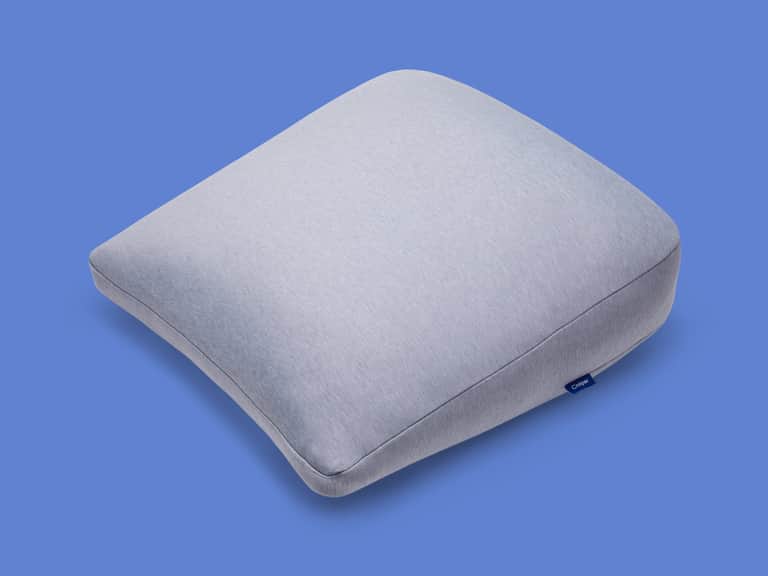
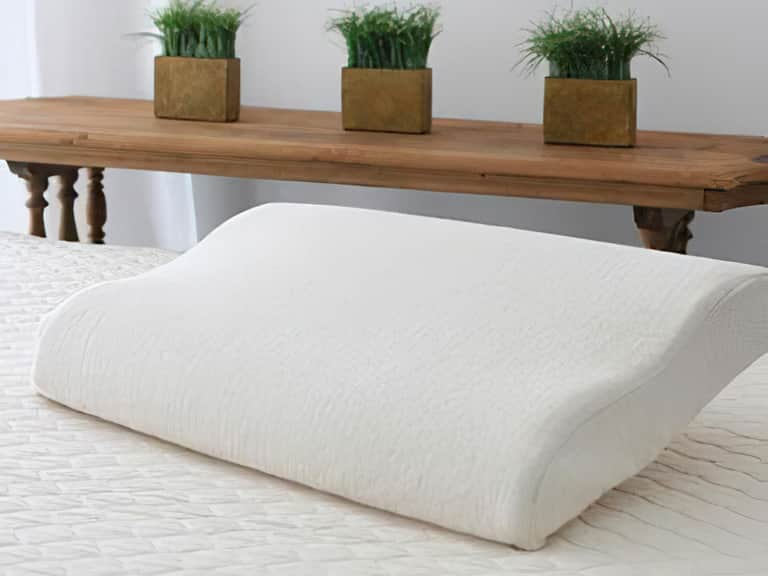
Contour pillows refer to designs that emphasize neck and spine alignment, supporting the natural curves of the head and neck. These pillows often combine ergonomic shapes with materials that adapt to sleeping positions, reducing pressure points. In bedding discussions, contour options include memory foam, latex, and shredded fill varieties that maintain loft and contour over time.
Key characteristics of contour pillows include supportive cores, medium to medium-firm resilience, and contouring surfaces that cradle the neck while keeping the airway clear. Memory foam pillows are popular for conforming to individual anatomy, whereas down alternatives offer a plush initial feel with lasting support. Proper contouring enhances sleep quality by stabilizing alignment.
Materials used in contour designs influence comfort and durability. Memory foam pillows for contouring often feature open-cell structures or cooling infusions to regulate temperature. Down pillows with contour features combine softness with structured edges, while travel pillows provide compact support that maintains neck posture during transit, aiding sustained comfort.
For side sleepers, contour pillows typically emphasize a higher loft on the neck side to fill the space between the shoulder and the head, aligning the spine. The Side Dreamer Pillow exemplifies this focus with a shape designed to maintain lateral stability, reduce shoulder compression, and support prolonged rest without strain.
Understanding pillow geometry and fill options helps users select a contour solution aligned with personal needs. Important considerations include sleeping position, neck height, breathing comfort, and heat management. Related terms in bedding and pillows, such as memory foam pillows and travel pillows, connect to broader discussions of ergonomic sleep support.
 Bedding