A Practical Guide to Choosing the Right Pillow Fill: From Down to Kapok
A pillow is more than a cushion for the head. It is a companion for the night, shaping comfort, support, and even sleep quality. In an age of abundant fabrics, foams, and natural fibers, selecting the right fill is a threshold decision: it determines contour, loft, temperature, and durability. This guide unpacks common pillow fills—from the classic down to visionary Kapok—offering clear criteria to match fill types with sleeping positions, allergies, and care routines. Read with a careful eye toward your own anatomy, preferences, and rhythms of rest.
What is a pillow fill—and why it matters
A pillow fill is the core material that determines how a pillow responds to your head and neck. It influences contouring (how your curves are supported), loft (the height when the pillow is in use), and temperature regulation. Some fills are naturally fluffy and soft; others are structured to hold their shape and resist compression. Some blends balance softness and support; others emphasize breathability or allergy resistance. The right fill aligns the spine, relieves pressure points, and fosters a breathable microclimate beneath the face and neck.
In practice, selecting a pillow fill is about matching three interlinked factors: sleeping position, body weight and head/neck dimensions, and environmental or care considerations. A back sleeper might prefer a pillow with moderate loft and stable contour. A side sleeper may need higher loft and more pronounced neck support. A stomach sleeper often benefits from a lower profile that avoids excessive neck extension. Meanwhile, allergy sufferers may seek fills that resist dust mites or are inherently hypoallergenic. Care routines—whether you wash, replace, or adjust fill—also shape which fill serves you longest and best.
Common pillow fills: a landscape of options
Below is a practical taxonomy of widely used pillow fills, organized by their core characteristics: feel, support, temperature, and care implications. The aim is to help you translate terms into daily comfort at the pillow edge of your bed.
Down and duck down
Down is the soft, fluffy feather clusters harvested to create plush loft and gentle cushioning. It compresses with use but has remarkable resilience when properly contained. Premium down pillows often pair down with a fabric shell; some offer a higher fill power (a measure of fluffiness) to sustain loft. Pros: excellent pressure distribution, luxurious feel. Cons: can lose loft with repeated washing; may trigger allergies for sensitive sleepers unless encased and treated.
Feather and down blends
Blends combine feather cores with down to balance structure and softness. They tend to hold their shape better than pure down while still offering a cushioned feel. Consider fill power and ratio, as these influence firmness and loft—and your preferred sleep position.
Kapok
Kapok is a plant-derived fiber that feels notably lighter and springier than traditional foams. It provides a buoyant, airy cushion with a distinctive hush when moved. Kapok pillows are often described as breathable and inherently hypoallergenic. They can be less supportive for heavy-headed sleepers unless paired with a supportive outer shell or adjustable fill.
Memory foam
Memory foam pillows are engineered to contour to the head and neck, offering targeted support and pressure relief. They respond to body heat and weight, creating a personalized sleep surface. Dense foams tend to hold shape longer and improve neck alignment, while softer foams offer a plush feel. Temperature regulation varies by model: some incorporate gel infusions or open-cell structures to enhance breathability.
Latex (natural and blends)
Latex pillows offer buoyant support with a resilient, springy feel. They are naturally breathable and often more allergen-resistant than some foams. Latex can be shredded for adjustable loft or molded in shape for stable contour. Pros: durable, breathable; Cons: heavier and sometimes pricier.
Silk and other natural fills
Silk-filled pillows deliver a smooth, luxurious surface with natural temperature regulation and hypoallergenic properties. They are typically used in refined setups and often paired with cotton sateen or similar shells. Maintenance varies by product; silk requires careful care to preserve the fibers.
Matching fills to sleep positions
The following practical guidance translates anatomical needs into fill choices. Think of it as a compass for alignment, not a dogmatic rulebook.
- Back sleepers: Seek a balanced loft with stable neck support. Memory foam or shredded memory foam blends can offer contour without excessive elevation. A medium to high loft may keep the head in a neutral position while reducing neck extension at night.
- Side sleepers: Prioritize higher loft and firmer support to fill the space between the shoulder and the head. Down or down-alternative pillows with added fill, or high-density memory foam, can help maintain spinal alignment and reduce shoulder pressure.
- Stomach sleepers: Favor a low-profile pillow to avoid tilting the head backward. Softer fills or flatter latex pillows may support a neutral neck position without pushing the head upward excessively.
In all cases, consider a removable cover and the pillow’s ability to be washed or refreshed. A breathable shell—cotton, or cotton-blend with moisture-wicking fibers like Tencel or bamboo—contributes to comfort and hygiene. The quality of stitching and the structure of the inner core (one or multiple chambers in a pillow) influence how the fill behaves over time, particularly with regular use and washing cycles.
Allergy considerations and care routines
Allergy-sensitive sleepers often center their decision on dust mite resistance, hypoallergenic certifications, and ease of cleaning. Down and feather fills can still be suitable if encased in high-quality allergen-proof covers and if the pillow is washable. For those with sensitivity to dust mites or feather sources, synthetic foams, latex blends with anti-mite properties, or kapok with certified cleanliness can be appropriate choices.
Care matters, too. Down pillows may require periodic fluffing and occasional professional cleaning to restore loft. Memory foam and latex-filled pillows often benefit from spot-cleaning and thorough drying to maintain shape and sleep surface integrity. Kapok and natural fiber fills typically require air-out sessions and careful handling to maintain loft without moisture retention. Always follow the manufacturer’s care instructions to extend pillow life.
A practical decision framework
To navigate the abundance of options, consider a simple decision framework: Position, Loft, and Care. Position determines the base requirements for neck and head support. Loft guides how tall the pillow should be. Care determines what maintenance the fill demands and how long you expect the pillow to last before replacement.
- Position: Are you primarily back, side, or stomach sleeping?
- Loft: Do you wake with a neutral neck angle or with stiffness? If stiffness persists, reassess the loft and firmness.
- Maintenance: Do you want a pillow that is easy to wash or one that thrives on regular air-out sessions?
The ultimate goal is a surface that preserves spinal alignment and feels comfortable for the entire night. The right fill is not merely about softness; it is about a sustained contour and a breathable, clean sleep zone. In this sense, the pillow becomes a subtle instrument—quiet, personal, and deeply aware of how the body rests through the night.
A note on realism and product fit
Within this guide, we emphasize product-neutral guidance and care-oriented advice. The goal is to empower you to select a fill that aligns with your sleep goals without pressuring you toward a particular brand. Real-world considerations include the pillow’s ability to maintain loft after washing, its response to seasonal temperature shifts, and its resilience to daily use. While premium options may offer compelling features, durable performance and personal comfort remain the decisive criteria.
Practical takeaways for your next purchase
- Assess your primary sleep position and test loft in the store by lying on a similar pillow height for several minutes.
- Prioritize a breathable outer shell if temperature regulation is a priority, especially for warm sleepers.
- Consider adjustable fills or multi-chamber designs if you anticipate changing needs seasonally or over time.
- Read care instructions before purchase; a pillow that is easy to refresh will stay usable longer.
- If allergies are a concern, look for certifications and hypoallergenic claims backed by transparent manufacturing details.
Product spotlight: Silk Travel Pillow Seashells
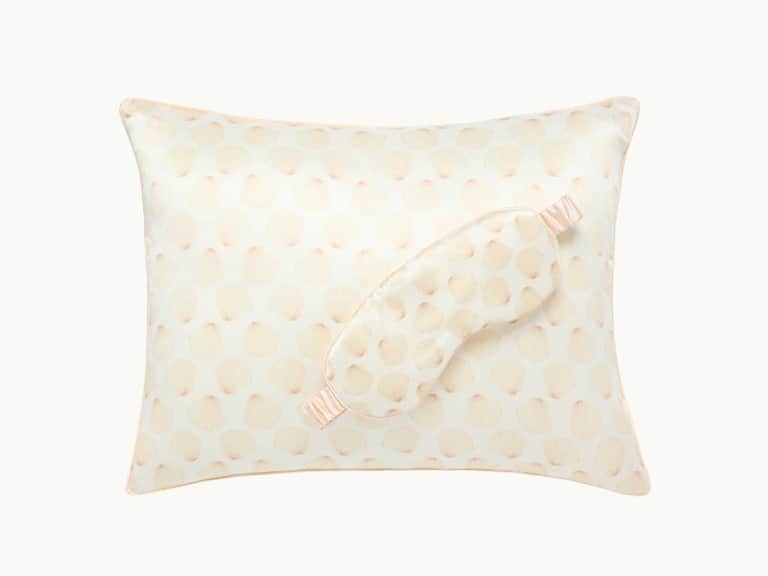
Among the finer travel companions, Silk Travel Pillow Seashells offers a silk shell and silk-wrapped fill designed for on-the-go comfort. The pillow weighs lightly in the hand, yet it delivers steady loft when pressed against neck curves, making it a suitable option for travelers who want a minimal, luxurious surface without bulk. Its outer shell is 100% mulberry silk with a 19 momme weight, and the inner casing uses cotton sateen with a 300 thread count. While designed for travel, the principles it embodies—soft contact, gentle contour, and temperature balance—are valuable in a home setting as well.
Price: 145.00 USD. To learn more, explore the product page for Silk Travel Pillow Seashells and consider how silk’s natural properties might fit your sleep environment when you are away from home. This pillow is a reminder that the choice of fill can reach beyond the bed to influence how you rest, even during short trips.
Conclusion: a thoughtful path to better sleep
Choosing the right pillow fill is a blend of science, craft, and personal comfort. The options—from down to kapok and beyond—offer a spectrum of support, temperature regulation, and care demands. By aligning your choice with your sleep position, sensitivity to allergens, and willingness to maintain the pillow’s loft, you cultivate a sleeping environment that supports the body’s natural rhythms. In the quiet, a well-chosen fill becomes not merely padding, but a trusted companion for rest and renewal—an essential thread in the fabric of everyday well-being.
Notes on sources and approach
This guide synthesizes practical knowledge on pillow fills used widely across bedding products. While technical specifications may vary by manufacturer, the core attributes—feel, contour, loft, and care—remain central to predicting real-world performance. Readers are encouraged to seek product details, care labels, and certifications that reflect transparent sourcing and quality assurance. In an era of diverse textile innovations, the art of choosing a pillow fill remains a humane, intimate act: trusted materials, thoughtful construction, and a nightly routine that returns the body to balance.
Recommended products (selection)
Silk Travel Pillow Seashells
A silk travel pillow with a 19 momme silk shell and silk-wrapped fill delivers refined softness and steady loft for on-the-go comfort. Ideal for travelers seeking a luxurious, compact support surface.
Price: 145.00 USD
Link: Silk Travel Pillow Seashells
Down Pillow Double Pack
A double-pack pillow set with a five-chamber design and ethically sourced down, offering a low-profile loft that maintains shape through nightly use.
Price: 318.00 USD
Link: Down Pillow Double Pack